

Pap smear test
Overview
A Pap smear test, also called a Pap test, is a simple screening test used to check the cells of the cervix for abnormal changes. These changes may develop over time and, if left untreated, can sometimes lead to cervical cancer. The test is quick and usually takes only a few minutes during a routine gynecological examination.
During a Pap smear, a healthcare professional gently collects a small sample of cells from the cervix using a soft brush or swab. The sample is then examined in a laboratory to identify abnormal or precancerous cells. A Pap smear does not mean that you have cancer if an abnormal result is found; it helps identify cell changes early so that further evaluation or treatment can be provided when needed.
What is a Pap smear test
A Pap smear test is a cervical cancer screening test that looks for abnormal cells on the cervix. It is different from a test that diagnoses cervical cancer. Depending on your age, medical history, and screening guidelines, your healthcare provider may recommend a Pap test alone or together with an HPV test, which checks for high-risk types of human papillomavirus linked to cervical cancer.
Regular cervical screening can help detect changes before they become more serious. Understanding what a Pap smear is, why it is recommended, how it is performed, and what different results mean can help you feel more comfortable and prepared for the test.
What is a Pap smear
A Pap smear (Pap test) is a screening test used to check the cells of the cervix for abnormal changes. During the test, a healthcare professional gently collects a small sample of cells from the cervix using a soft brush. The sample is then examined in a laboratory.
The main purpose of a Pap smear is to find abnormal cervical cells early, before they may develop into cervical cancer. An abnormal Pap smear does not automatically mean cancer; it may simply show cell changes that need further monitoring or testing.
Key points:
Checks for abnormal cervical cell changes
Helps with early detection of cervical cancer risk
Uses a small sample of cells from the cervix
Usually takes only a few minutes
An abnormal result does not necessarily mean cancer
May be done alone or alongside an HPV test
Regular screening can help detect changes at an early stage
How to Prepare for a Pap Smear
Preparing for a Pap smear is usually simple and does not require much planning. However, a few steps before the test can help make the procedure more comfortable and allow the healthcare professional to collect a clear cervical cell sample.
1. Schedule Your Test at the Right Time
If possible, try to schedule your Pap smear when you are not having your menstrual period. Blood can sometimes interfere with the sample and may make the test less accurate. If your period starts around the time of your appointment, contact your healthcare provider to ask whether you should keep or reschedule the appointment.
2. Avoid Vaginal Products Before the Test
Before a Pap smear, avoid using products inside the vagina, such as:
Vaginal creams
Vaginal medications, unless prescribed
Douches
Lubricants
Spermicides
These products may affect the cervical cell sample. Follow your healthcare provider's specific instructions if you are using a prescribed vaginal medication.
3. Avoid Sex Before the Test
It is generally recommended to avoid vaginal intercourse for about 24–48 hours before a Pap smear. Semen, lubricants, or other substances may interfere with the cervical cell sample.
4. Tell Your Healthcare Provider About Your Health
Before the test, let your healthcare provider know about anything that may be relevant, such as:
Pregnancy or possible pregnancy
Unusual vaginal bleeding
Vaginal discharge or irritation
Previous abnormal Pap smear results
Previous HPV infection or testing
Any medications or vaginal treatments you are using
5. Wear Comfortable Clothing
A Pap smear requires you to undress from the waist down, so wearing comfortable clothing that is easy to remove can make the appointment easier. You may be given a medical gown or sheet for privacy during the examination.
6. Try to Relax
It is normal to feel nervous, especially if it is your first Pap smear. The procedure usually takes only a few minutes. Slow, steady breathing and relaxing the muscles around your pelvis may make the examination more comfortable.
If you feel pain or significant discomfort during the test, tell your healthcare provider. They can pause, adjust the position, or explain what they are doing.
Is a Pap Smear Painful
A Pap smear is usually not painful, but some women may feel mild pressure, discomfort, or a brief pinching sensation during the test. The level of discomfort can vary from person to person, especially if it is your first Pap smear or you feel nervous during the examination.
During the test, a healthcare professional gently places a speculum into the vagina to view the cervix and collects a small sample of cervical cells. The procedure usually takes only a few minutes.
What You May Feel During a Pap Smear
Mild pressure from the speculum
A brief pinching or scraping sensation when cells are collected
Slight discomfort that usually goes away quickly
Mild spotting after the test in some women
If you experience significant pain, tell your healthcare provider immediately. They can adjust the speculum, change your position, or take other steps to make the examination more comfortable.
For most women, a Pap smear is a quick and manageable procedure that plays an important role in detecting abnormal cervical cell changes early.
Abnormal Pap Smear Results
An abnormal Pap smear result means that some cells collected from the cervix look different from normal under a microscope. It does not mean you have cervical cancer. In many cases, abnormal changes are mild and may return to normal on their own.
The next step depends on the type of cell changes found, your age, previous screening results, and HPV status. Your healthcare provider may recommend repeat screening, an HPV test, closer monitoring, or further examination of the cervix.
What an Abnormal Result May Mean
Minor cell changes: Often monitored with follow-up screening.
HPV-related changes: May be linked to high-risk types of human papillomavirus.
More significant cell changes: May require additional testing, such as a colposcopy.
Cancerous changes: Rarely, abnormal cells may indicate cervical cancer or a higher risk of developing it.
If your Pap smear result is abnormal, follow your healthcare provider's recommended follow-up plan. Early evaluation helps identify cervical cell changes before they become more serious.
What’s the difference between a Pap smear and an HPV test?
How Often Should You Get a Pap Smear?
How often you need a Pap smear depends on your age, screening history, and personal health factors. Regular cervical screening helps detect abnormal cell changes early, even when you have no symptoms.
Pap Smear During Pregnancy
A Pap smear can generally be performed during pregnancy when cervical screening is due. Pregnancy does not usually prevent the healthcare provider from collecting cervical cells for screening.
A Pap smear checks for abnormal cervical cell changes.
The test does not harm the pregnancy when performed appropriately.
Your healthcare provider may recommend screening based on your age, previous results, and screening history.
If an abnormal result is found, your provider will explain the appropriate follow-up during pregnancy.
Tell your healthcare provider if you are pregnant before having a Pap smear.
Pap Smear Test in Kathmandu
If you are looking for a Pap smear test in Kathmandu, Maya IVF provides cervical screening as part of women’s reproductive and gynecological care. A Pap smear helps check the cells of the cervix for abnormal changes that may require further evaluation.
At Maya IVF, patients can discuss their screening needs with a qualified healthcare professional and understand what to expect before, during, and after the test.
Why Choose a Pap Smear Test
Helps detect abnormal cervical cell changes early
Supports cervical cancer screening
Can identify changes before they become more serious
Provides an opportunity to discuss cervical health with a healthcare professional
Helps determine whether further testing or follow-up is needed
Pap Smear Test at Maya IVF
If you are due for cervical screening or have been advised to have a Pap smear, you can consult the team at Maya IVF Clinic in Kathmandu. The healthcare professional can assess your needs and guide you on the appropriate screening and follow-up.
Book a consultation with Maya IVF to learn whether a Pap smear is right for you and to receive personalized guidance based on your health and screening history.
Pap Smear Test Cost in Nepal
The cost of a Pap smear test in Nepal can vary depending on the hospital, clinic, location, and whether additional tests are recommended. The total cost may also differ if the consultation, laboratory processing, or HPV testing is included.
What Can Affect the Cost
Clinic or hospital: Prices can differ between healthcare facilities.
Location: Costs may vary between Kathmandu and other parts of Nepal.
Pap smear alone: The basic screening test may have a different fee from combined screening.
HPV testing: If an HPV test is recommended along with the Pap smear, the total cost may be higher.
Doctor consultation: Some clinics may charge a separate consultation fee.
Frequently Asked Questions (FAQs)
What is a Pap smear?
A Pap smear is a screening test that checks cervical cells for abnormal changes that may need further evaluation.
Is a Pap smear painful?
A Pap smear is usually not painful, although you may feel mild pressure or brief discomfort during the test.
How is a Pap smear done?
A healthcare professional uses a speculum to gently view the cervix and collects a small sample of cervical cells using a soft brush.
How should I prepare for a Pap smear?
If possible, avoid scheduling the test during your period. It is also generally recommended to avoid vaginal sex and vaginal products for 24–48 hours before the test.
How often should I get a Pap smear?
The recommended frequency depends on your age, screening history, and the type of cervical screening you receive. Your healthcare provider can recommend the right schedule.
What does an abnormal Pap smear mean?
It means that some cervical cells look different from normal. It does not necessarily mean you have cervical cancer. Your provider may recommend repeat testing or further evaluation.
What happens after an abnormal Pap smear?
Depending on the result and your medical history, you may need repeat screening, an HPV test, or a closer examination such as a colposcopy.
How long does a Pap smear take?
The actual procedure usually takes only a few minutes, although the complete appointment may take longer.
How long does it take to get Pap smear results?
The time varies by laboratory and healthcare facility. Your provider can tell you when you should expect your results.
Can I get a Pap smear during my period?
It may be possible, but menstrual blood can affect the sample. If possible, screening is usually scheduled when you are not menstruating.
Can I get a Pap smear during pregnancy?
Yes. A Pap smear can generally be performed during pregnancy when cervical screening is due. Your healthcare provider can advise whether you should have one during pregnancy.
What is the difference between a Pap smear and an HPV test?
A Pap smear checks cervical cells for abnormal changes, while an HPV test checks for high-risk types of human papillomavirus that can cause cervical cell changes.
How much does a Pap smear cost?
The cost varies depending on the clinic, hospital, location, and whether additional testing such as HPV testing is included.
Where can I get a Pap smear in Kathmandu?
Pap smear testing is available at gynecology clinics and hospitals in Kathmandu. A healthcare professional can assess your screening needs and guide you through the test.
Our Latest Blogs

Myths and Facts about Infertility
When it comes to infertility, there are a lot of myths revolving around it in our society.Initially,...
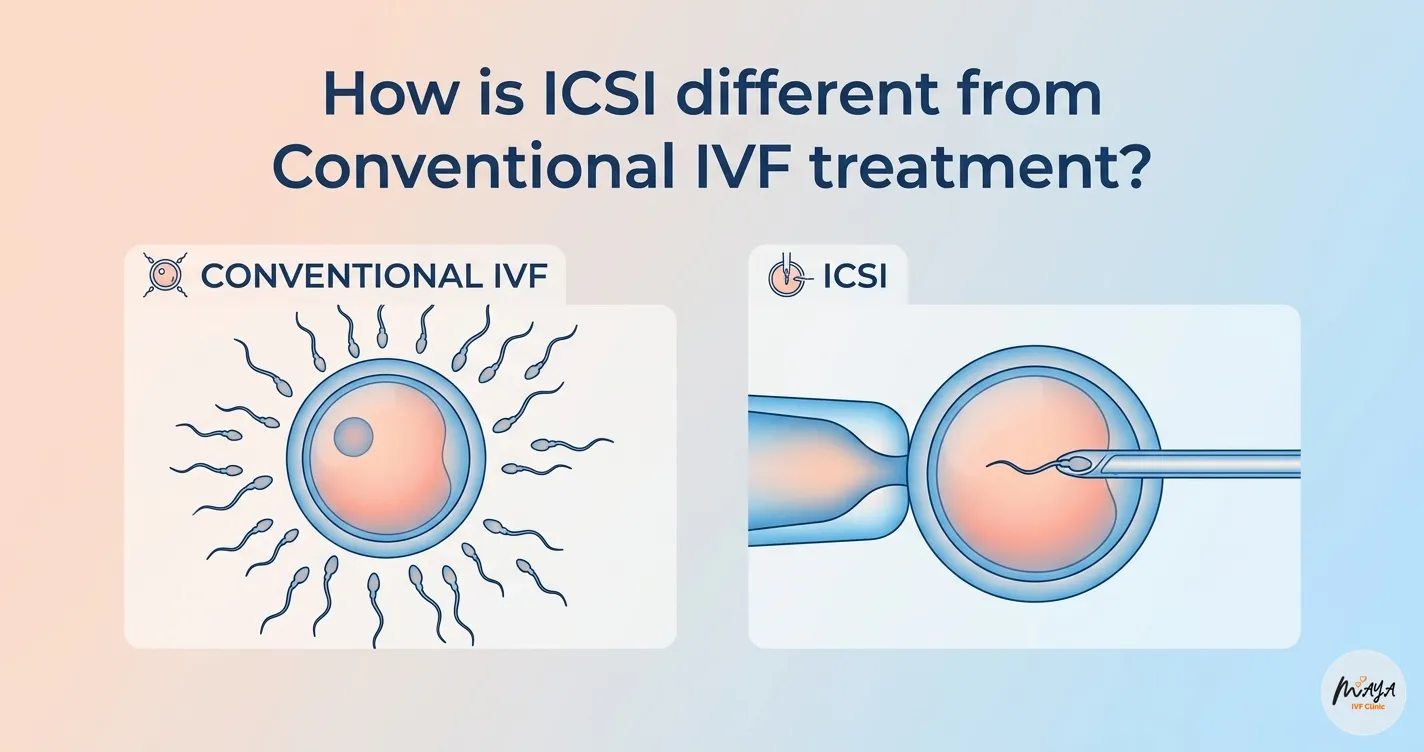
How is ICSI different from Conventional IVF treatm...
ICSI and Conventional IVF both are forms of assisted reproductive treatment (ART) in which eggs are...
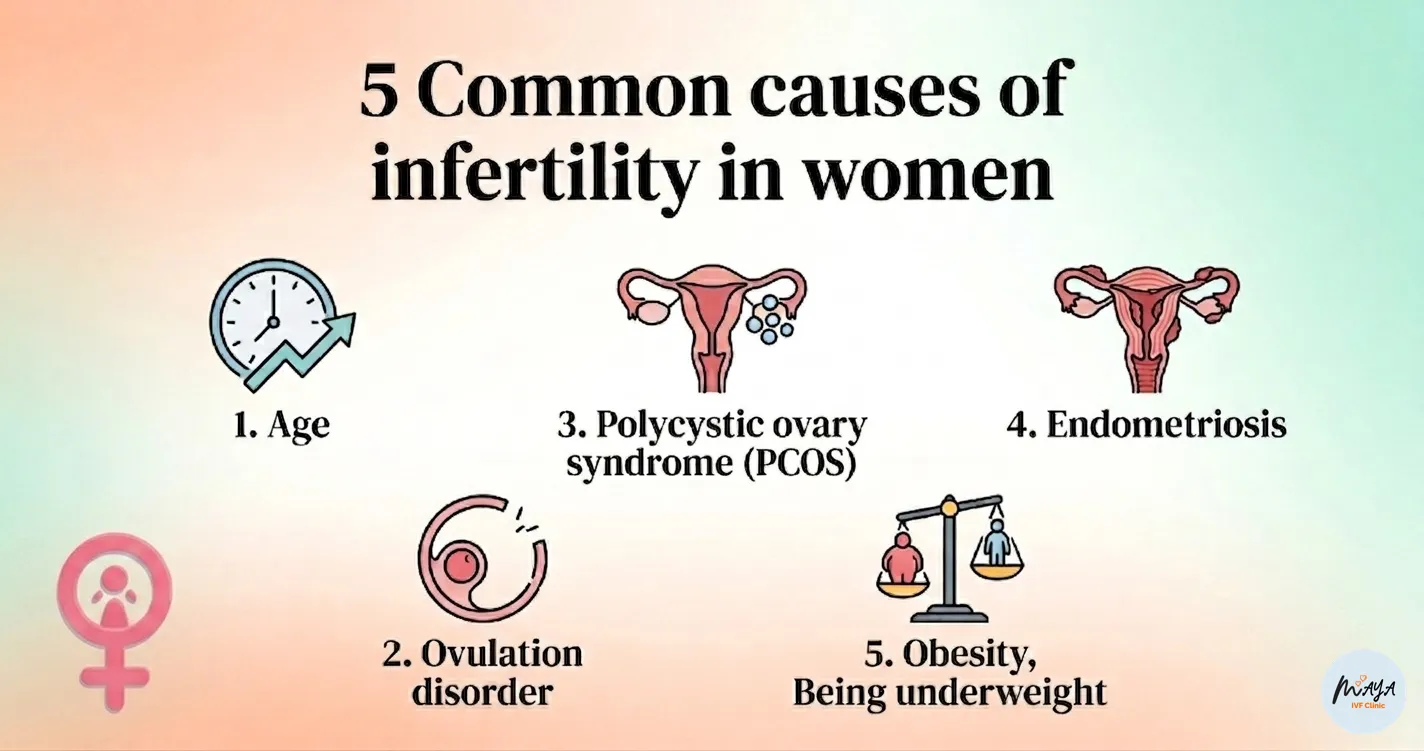
5 Common causes of infertility in women
A condition is diagnosed as infertility when a heterosexual couple is unable to conceive after one y...

 Nepal International Fertility and Laparoscopic Centre (NIFLC).
All rights reserved.
Nepal International Fertility and Laparoscopic Centre (NIFLC).
All rights reserved.