

Male Fertility Test in Nepal
Overview
If you and your partner have been trying to conceive for a while without any luck, there's a good chance the first few appointments have all been hers. That's just how it usually goes here: the woman gets scanned, tested, and re-tested for months, sometimes years, before anyone thinks to ask about the man. And yet nearly half of all infertility cases involve a male factor, either on its own or alongside something on the female side.
The frustrating part is that the test that could answer a lot of these questions, a simple semen analysis, takes a few days, costs far less than most people expect, and doesn't involve anything invasive. If you've been putting it off out of embarrassment, uncertainty about where to go, or just not knowing what the results would even mean, this guide should help. We'll walk through when it makes sense to get tested, what the different tests actually involve, how to make sense of your report once it arrives, what treatment looks like here in Nepal, and roughly what it all costs.
If you've been trying for 12 months without success (or 6 months if your partner is over 35), both of you should be evaluated at the same time, not one after the other.
What Is Male Fertility Testing, Really?
At its core, male fertility testing is just a way of finding out whether, and how well, a man's body is producing and delivering healthy sperm. The main test is the semen analysis, which looks at how much sperm there is, how well it moves, and what shape it's in. If that comes back with anything unusual, your doctor might follow up with a blood test for hormones, a physical exam, an ultrasound, or occasionally a genetic test, depending on what the semen analysis suggests.
None of this requires surgery or hospital stays. Most men can get through the whole process, from the first appointment to a clear answer, within about a week.
Why It's Worth Doing Early, Not as a Last Resort
There's a reason doctors increasingly push for male testing to happen alongside female testing, not after it:
It's fast. A semen analysis takes a few days to process, while a full female fertility work-up can stretch into weeks and involves more invasive procedures.
It's cheap, relative to almost everything else in the fertility journey, and it accounts for roughly half of all infertility causes. Skipping it means potentially spending months (and a lot more money) chasing answers on the female side alone.
Many of the causes it uncovers are treatable. Infections, hormone imbalances, and varicoceles all show up often, and most respond well to treatment once someone actually looks for them.
And frankly, it helps cut through the stigma. Infertility still gets treated as "her problem" by default in a lot of households here, which quietly delays a test that could have answered things much sooner.
Signs You Shouldn't Wait to Get Checked
You don't need to hit the one-year mark before considering a test. It's worth going in sooner if any of this sounds familiar:
No pregnancy after 12 months of trying (6 months if your partner is 35 or older)
A past testicular injury, undescended testicle, or previous testicular surgery
Pain, swelling, or a lump anywhere around the testicles or scrotum
Low sex drive, erectile difficulty, or noticeably low ejaculate volume
A mumps infection at some point after puberty
Testicles that feel unusually small or firm
Fertility issues running in the family, or early menopause among female relatives
Regular exposure to heat, industrial chemicals, pesticides, or radiation at work
A history of chemotherapy, radiation, or long-term steroid use
Who Should Actually Consider Getting Tested?
It's not only couples actively trying to conceive. A fertility test can make sense if you:
Are planning a marriage and want a fertility check-up done beforehand, just for peace of mind
Had a vasectomy and want to confirm it worked, or a reversal and want to confirm it didn't fail
Have a condition known to affect fertility, like diabetes, thyroid disease, or obesity
Are about to start cancer treatment and want to check or preserve your sperm before it begins
Are heading into IUI, IVF, or ICSI, since a semen analysis is required before any of these can start
The Different Types of Male Fertility Tests
Not every man needs every test on this list. Most start with a semen analysis, and everything after that depends on what it shows.
Semen Analysis
This is the one test almost everyone starts with. A lab technician looks at your sample under a microscope and often with automated equipment too, measuring it against the current WHO reference standards. It's the single most useful piece of information in the entire male fertility work-up.
Hormone Tests
A blood test checking testosterone, FSH, LH, and prolactin tells your doctor whether the hormonal signals to your testes are working the way they should. This usually gets ordered when the semen analysis comes back abnormal or when there are other symptoms like low libido involved.
Ultrasound
A scrotal ultrasound is mainly looking for a varicocele, which is the medical term for enlarged veins in the scrotum and one of the most common causes of male infertility that's actually fixable. It can also pick up blockages, cysts, or other structural issues.
Genetic Testing
This one's reserved for cases where sperm count is extremely low or completely absent. It can flag chromosomal conditions like Klinefelter syndrome or missing pieces of the Y chromosome. That's information that matters both for treatment planning and for future family decisions.
DNA Fragmentation Test
Standard semen analysis checks count, shape, and movement, but not the genetic quality inside each sperm cell. This test does. It's usually only ordered for unexplained infertility or after IVF/ICSI cycles have failed more than once, since a "normal" semen analysis can still come with elevated DNA fragmentation.
Physical Examination
A hands-on check of testicular size and firmness, signs of varicocele, and anything that might point to a hormonal imbalance, such as unusual fat distribution or breast tissue changes.
Getting Ready for the Test
Preparation is genuinely simple, but skipping it can throw off your numbers:
Abstain from ejaculation for 2 to 7 days beforehand; most labs consider 2 to 5 days the sweet spot
Skip alcohol and go easy on smoking in the days leading up to it
Avoid saunas, hot tubs, or long hot baths for a few days prior, since heat can temporarily lower sperm quality
Mention any recent fever, illness, or new medication to your doctor, since these can quietly skew a result
If your first result comes back abnormal, don't be surprised if your doctor asks you to repeat it in 2 to 3 months. Sperm takes about 72 days to fully develop, so one bad reading isn't the whole story.
Semen quality naturally varies from one sample to the next. Because of that, many specialists prefer to see two separate results, a few weeks apart, before drawing any real conclusions.
What Actually Happens During the Test
The sample is collected by masturbation, either in a private room at the clinic or at home if you live close enough to get it to the lab within about an hour while keeping it near body temperature. Once it arrives, the lab examines it fairly quickly, and you'll usually have results within 1 to 3 days (a bit longer for anything advanced, like DNA fragmentation).
Making Sense of Your Results
Semen analysis reports can look like a wall of unfamiliar numbers the first time you see one. Here's what each part is actually telling you:
Sperm count (concentration)
just the number of sperm in a milliliter of semen. Oligospermia is a low count; azoospermia is the absence of sperm.
Total motility
The percentage of sperm that are moving in any way, whereas progressive motility reduces this to sperm that move in a relatively straight line. For natural conception, this is the most important number.
Morphological
looks at what percentage of sperm are shaped normally. Here's something that surprises a lot of men: even in fertile men, most sperm are oddly shaped. That's expected, not alarming.
Volume
Is the total amount of semen generated? A blockage, a hormonal problem, or occasionally just an incomplete sample collection may be indicated if it is low.
pH
Reflects the acid-base balance of the fluid. An abnormal reading can hint at infection or a blocked duct.
White blood cells
If elevated, it often means there's an infection or inflammation somewhere in the reproductive tract.
Vitality
Measures the percentage of sperm that are actually alive, which matters especially when motility looks low. It helps distinguish sperm that are alive but not moving well from sperm that are simply dead.
What the WHO Considers "Normal"
The numbers below come from the WHO's 6th edition laboratory manual (2021), which is the current global benchmark labs use to interpret results.
Worth knowing: the WHO itself has moved away from treating these figures as a strict pass-or-fail line. Falling below the reference range doesn't automatically mean infertility. It just means a specialist should look at the full picture, including your partner's fertility, before drawing any conclusions.
Normal vs. Abnormal, at a Glance
So What Causes an Abnormal Result?
It's rarely just one thing, and it's rarely permanent. Some of the more common culprits:
A Word on Age
Male fertility doesn't have as sharp a drop-off as female fertility does, but it's not indefinite either. Sperm quality, especially DNA integrity and motility, tends to decline gradually with age, and some research links older paternal age to a slightly higher risk of certain pregnancy complications. None of this is cause for panic. It's simply a reason to test a bit earlier if you're planning to become a father later in life.
A Word on Environmental and Occupational Exposure
If your work puts you around pesticides, industrial solvents, heavy metals, or constant heat (think agriculture, heavy industry, driving, welding, foundry work), your odds of reduced sperm quality go up. It's worth mentioning this to your doctor. It won't change the test itself, but it will shape how they read your results and what they recommend afterward.
Treatment Options Available in Nepal
The right treatment depends entirely on what's causing the problem, and the range of options here has grown considerably in recent years:
If there's no sperm at all in the ejaculate (azoospermia), the path forward depends on why. If it's obstructive, meaning there's a blockage with normal sperm production behind it, PESA or TESA usually does the job. If it's non-obstructive, meaning the testes aren't producing much sperm to begin with, Micro-TESE is often needed to locate whatever viable sperm exists.
Thinking About the Future: Fertility Preservation
Sperm freezing is worth a conversation with a specialist if you're about to start chemotherapy or radiation, planning a vasectomy but want to keep the door open for biological children later, working in a high-exposure occupation, or simply planning to delay fatherhood and want to lock in your current sperm quality. Frozen sperm can be stored for a long time and used later with IUI, IVF, or ICSI whenever you're ready.
Lifestyle Changes That Actually Help
None of these are overnight fixes (sperm takes about 72 days to develop), but they add up.
Quitting smoking and cutting back on alcohol both make a measurable difference to count and motility. Keeping your weight in a healthy range helps avoid the hormonal imbalances that come with obesity. Watch your exposure to heat: laptops on the lap, tight underwear, and long sauna sessions all raise scrotal temperature more than people realize. Managing stress matters too, since chronic stress affects the hormones behind sperm production. A balanced, antioxidant-rich diet and moderate exercise both support healthy sperm production over time, though extreme endurance training can actually work against you. And if your job involves regular exposure to pesticides, solvents, or heavy metals, reducing that exposure where you can genuinely helps.
A Few Myths Worth Retiring
What It Actually Costs in Nepal
Pricing depends on the clinic, the city, and how many parameters are included in the analysis. As a general guide:
Kathmandu tends to offer the widest range, from basic diagnostic labs to dedicated fertility centers, while cities like Chitwan and Pokhara increasingly offer comparable testing, sometimes at slightly lower prices. These numbers are general market ranges, not quotes. Always check current pricing directly with the clinic before booking.
Where You Can Actually Get Tested
You've got a few options: dedicated fertility and IVF clinics, which usually offer a comprehensive analysis with same-day specialist interpretation; diagnostic labs and hospital pathology departments, which are a solid choice for a basic, affordable test; and andrology or urology departments at major hospitals, which make sense if you already suspect a structural or hormonal issue. Kathmandu has the most options by far, though Chitwan, Pokhara, and other cities are catching up. If you're not sure where to start, a specialist consultation first is often the smarter move. It saves you from ordering tests you don't actually need.
When It's Time to See a Specialist
Book a consultation if you've been trying for 12 months without success (6 months if your partner is over 35), your semen analysis came back outside the normal range, you've got a known risk factor like a varicocele or past testicular injury, you're preparing for IVF or ICSI and need a baseline test, or you simply want a pre-marital fertility check-up for your own peace of mind.
After the Results: What Happens Next
If everything comes back normal on both sides, your doctor might suggest continuing to try for a defined period or looking into other explanations for the delay. Mildly abnormal results are often managed with lifestyle changes and a repeat test in 2 to 3 months or by treating an underlying cause like infection. More significant abnormalities usually mean additional testing, such as hormones, ultrasound, and sometimes genetics, followed by a conversation about IUI, IVF, ICSI, or sperm retrieval. And if it's azoospermia, the next step is figuring out whether it's obstructive or non-obstructive, since that determines everything that follows.
A single semen analysis can answer questions that months of guessing never will. If you've been putting this off, a consultation with a fertility specialist, by phone, WhatsApp, or in person, is a reasonable place to start.
Conclusion
A male fertility test in Nepal is quick, inexpensive, and often the fastest way to actually understand what's going on when conception isn't happening on schedule. Whatever the results say, whether completely normal or something worth a closer look, you'll be working with real information instead of months of guesswork and have a clearer sense of what to do next, whether that's a few lifestyle changes or a more involved treatment like IVF or ICSI.
If this has been sitting on your to-do list for a while, consider this the nudge to move it up. Book a consultation with a fertility specialist by phone, WhatsApp, or in person, and find out where things actually stand.
Frequently Asked Questions
1. What is a male fertility test?
It's most commonly a semen analysis, a test that checks sperm count, motility, morphology, and related factors that affect a man's ability to father a child.
2. How much does a male fertility test cost in Nepal?
A basic semen analysis usually runs NPR 1,500 to 3,000, and a comprehensive one at a fertility clinic costs NPR 2,500 to 5,000. Advanced tests cost more. Always confirm pricing with the clinic directly.
3. Is a semen analysis painful?
No. The sample is collected by masturbation, with no needles or invasive procedures involved.
4. How many days of abstinence do I need before a sperm test?
Most labs recommend 2 to 7 days, with 2 to 5 days considered ideal for an accurate result.
5. Can low sperm count be treated?
Often, yes. Depending on the cause, treatment might involve lifestyle changes, medication, varicocele surgery, or assisted reproductive technologies like IUI, IVF, or ICSI.
6. What counts as a "normal" sperm count?
Under current WHO guidelines, a concentration of at least 16 million sperm per milliliter, and at least 39 million total per ejaculate, falls within the normal range.
7. Should I get tested before marriage?
It's not required, but plenty of men choose to get a pre-marital fertility check-up for early awareness, especially if fertility issues run in the family.
8. Do I need to fast before the test?
No fasting is needed for a semen analysis, though certain hormone blood tests might come with their own instructions.
9. Can stress actually affect my results?
Yes. Chronic stress can affect the hormones involved in sperm production, and a recent fever or illness can temporarily lower sperm quality too.
10. What if my first result comes back abnormal?
Try not to jump to conclusions. Results naturally fluctuate, and most doctors will ask for a repeat test after 2 to 3 months, since a full sperm production cycle takes about 72 days.
11. What's the difference between TESA, PESA, TESE, and Micro-TESE?
All four are ways of retrieving sperm directly when there's none in the ejaculate. TESA and PESA use a needle (from the testicle and epididymis, respectively); TESE is a small surgical biopsy; and Micro-TESE is a more precise microsurgical version reserved for the toughest non-obstructive cases.
12. Can a varicocele really affect fertility?
Yes. It's one of the most common causes of male infertility and one of the most fixable. It's usually found through a physical exam or ultrasound and treated with surgery.
13. Does age affect male fertility?
It does, just more gradually than it affects female fertility. Sperm quality and DNA integrity tend to decline with age, more noticeably from the mid-40s onward.
14. Where can I get tested in Nepal?
Fertility and IVF clinics, diagnostic labs, and hospital andrology or urology departments are mostly concentrated in Kathmandu, with growing access in Chitwan, Pokhara, and other cities.
15. How long until I get my results?
Usually 1 to 3 days, a bit longer if you've added advanced tests like DNA fragmentation.
Our Latest Blogs

Myths and Facts about Infertility
When it comes to infertility, there are a lot of myths revolving around it in our society.Initially,...
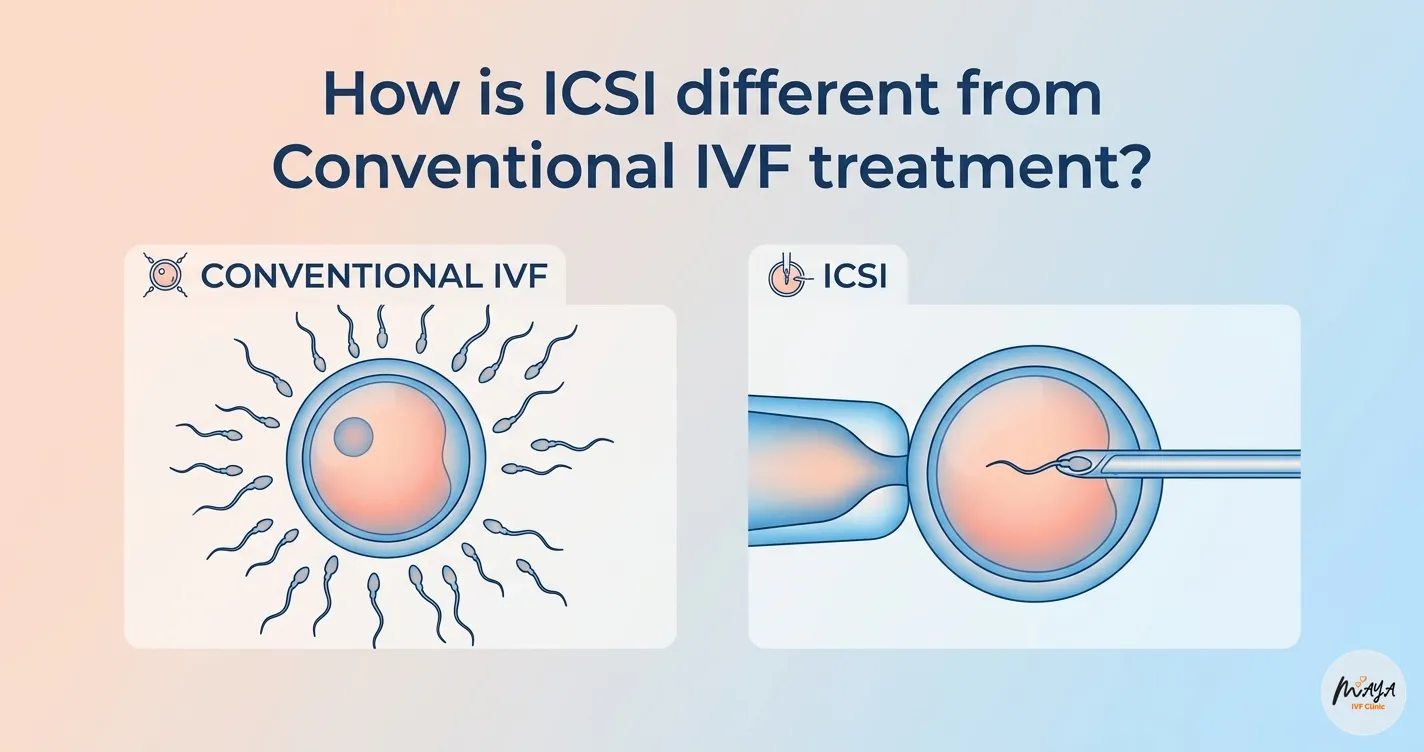
How is ICSI different from Conventional IVF treatm...
ICSI and Conventional IVF both are forms of assisted reproductive treatment (ART) in which eggs are...
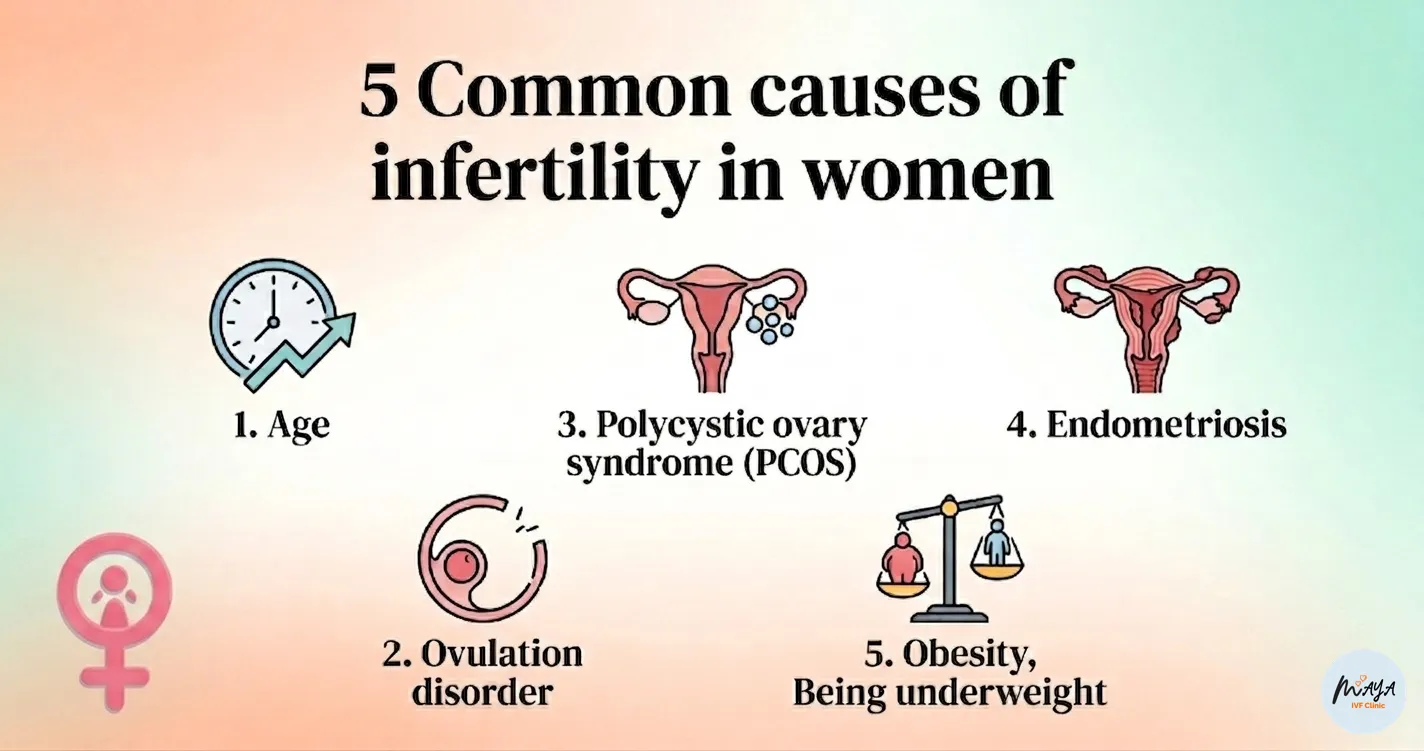
5 Common causes of infertility in women
A condition is diagnosed as infertility when a heterosexual couple is unable to conceive after one y...

 Nepal International Fertility and Laparoscopic Centre (NIFLC).
All rights reserved.
Nepal International Fertility and Laparoscopic Centre (NIFLC).
All rights reserved.