

A gynecologist performing a hysteroscopy at Maya IVF Clinic using advanced equipment to examine the inside of the uterus safely and effectively.
Blog Details
- Home
- Blog Details
Hysteroscopy: A Minimally Invasive Diagnostic and Therapeutic Procedure
Overview
Hysteroscopy is a procedure in which a thin, lighted telescope is passed through the vagina and cervix so a doctor can look directly inside the uterus. It can help find the cause of problems such as heavy or irregular bleeding, repeated miscarriage, or difficulty conceiving, and in selected cases the same procedure can be used to treat what is found. Because it needs no cuts in the skin, many hysteroscopies are done as outpatient procedures. This guide explains what hysteroscopy detects and treats, how painful it may be, what recovery involves, and whether you actually need it before IVF treatment.
What Is Hysteroscopy?
A hysteroscope is a narrow tube with a camera that sends images to a screen. It enters through the natural passage, so no cuts are made in the skin. The uterus is gently expanded with fluid or gas so the lining can be seen clearly. For a patient-focused overview, see the NHS guide to hysteroscopy. It can be done in an outpatient clinic with you awake or in an operating theater with sedation or anesthesia.
Why Is Hysteroscopy Done?
Doctors recommend it to investigate:
heavy or irregular periods
bleeding after menopause or after sex
repeated miscarriage
difficulty conceiving
abnormal findings on ultrasound or other imaging
It is also used to take tissue samples and to locate or remove an intrauterine device.
Diagnostic vs Operative Hysteroscopy
Diagnostic hysteroscopy looks inside the uterus to identify a problem. It is often short, and many are done as outpatient procedures.
Operative hysteroscopy treats a problem during the same procedure, using small instruments passed through the scope. It may take longer and is more likely to involve sedation or anesthesia.
Many procedures start as diagnostic and become operative if a treatable abnormality is found. Ask your doctor beforehand whether that is possible.
What Can Hysteroscopy Diagnose or Treat?
It can identify:
endometrial polyps
submucosal fibroids
intrauterine adhesions (scar tissue)
an abnormally shaped cavity, such as a septum
causes of abnormal bleeding
retained tissue
Tissue can also be sampled for testing. Selected problems can be treated this way, including polyps, some adhesions, a uterine septum, and fibroids that sit inside or bulge into the uterine cavity. It does not treat all fibroids. Fibroids growing in the muscle wall or on the outer surface of the uterus generally need a different approach.
Hysteroscopy for Infertility
A polyp, scar tissue, a septum, or a cavity-distorting fibroid can interfere with implantation or pregnancy. Ultrasound may not show every such problem. Hysteroscopy shows the cavity directly and allows treatment if something is found. To see how uterine problems fit among other causes, read our guide to common uterine and other causes of infertility.
Its limit is that it assesses the uterine cavity only. It does not assess ovulation, egg reserve, sperm quality, or the fallopian tubes. Pregnancy after hysteroscopy therefore depends on why it was done, what was found, and the rest of the fertility picture, including age.
Is Hysteroscopy Necessary Before IVF?
Not for every patient. Evidence does not support routine hysteroscopy in women whose uterine cavity already looks normal on good imaging.
The randomized trial in women with a normal transvaginal ultrasound before a first IVF cycle found no improvement in live birth rates.
The TROPHY trial found no live birth benefit after two to four failed IVF cycles.
A 2019 Cochrane review suggested possible benefit but rated the evidence low quality and concluded the benefit was uncertain.
A 2023 meta-analysis found higher clinical pregnancy rates but no change in live birth.
Hysteroscopy is more reasonable when there is a specific reason, such as:
abnormal ultrasound or HSG findings
abnormal bleeding
suspected polyps, fibroids, or adhesions
previous uterine surgery
recurrent pregnancy loss
selected cases of repeated implantation failure
The distinction matters. Removing an abnormality you have found is different from screening everyone. The first is treatment of a known problem. The second has not been shown to reliably improve live births. Your fertility specialist should explain which applies to you. For other common misunderstandings about treatment, see infertility myths and facts in Nepal.
How Is Hysteroscopy Performed?
Pregnancy is excluded. A test may be done on the day.
A speculum is placed, as in a cervical smear.
The hysteroscope is passed through the cervix.
The uterus is expanded with fluid or gas and examined on screen.
If planned, a biopsy is taken, or a lesion is treated.
Procedures are usually scheduled when there is no heavy bleeding, since blood obscures the view.
Is Hysteroscopy Painful?
It can cause cramping or discomfort, and the experience varies widely. Many women describe period-like pain. Some find it mild, and some find it considerably painful.
What influences pain:
diagnostic or operative procedure
how much the cervix must be handled or dilated
individual pain sensitivity and anxiety
previous childbirth or uterine procedures
whether sedation or anesthesia is used
whether tissue is removed
Options include simple painkillers beforehand, local anesthetic to the cervix, inhaled pain relief in some units, or sedation or general anesthesia for longer or operative procedures. You can ask for the procedure to be stopped if it is too uncomfortable, and a good team will stop.
How Should You Prepare for Hysteroscopy?
Confirm you are not pregnant; use contraception or avoid sex between your last period and the procedure.
Ask whether you should take a painkiller beforehand and which one is safe for you.
Tell the team about regular medicines, especially blood thinners, and any allergies.
If sedation or general anesthesia is planned, follow the fasting instructions you are given.
Arrange a companion or transport if you will be sedated.
Recovery After Hysteroscopy
After an outpatient procedure, most women recover quickly. Period-like cramps and light bleeding or spotting for a few days are normal. Many return to usual activities within a day or two, though some prefer to rest on the day itself.
Recovery can take longer after operative procedures or general anesthesia. Follow your doctor's instructions on exercise and sex, as advice depends on what was done.
Risks and Possible Complications
Hysteroscopy is generally safe, and serious complications are uncommon.
Common and temporary: cramping, spotting or light bleeding, and short-lived discomfort.
Less common or rare:
infection
heavy bleeding
injury to the cervix
perforation of the uterine wall
complications related to the fluid used
anesthesia-related problems
an incomplete procedure that needs repeating
When Should You Contact Your Doctor?
Contact your clinic or seek urgent care if you have:
severe or worsening abdominal or pelvic pain not relieved by painkillers
heavy bleeding
fever
foul-smelling vaginal discharge
a feeling of being seriously unwell
Talk to a Fertility Specialist
If you are unsure whether hysteroscopy is relevant to your fertility evaluation, book a consultation with Maya IVF Clinic in Kathmandu. A specialist can review your history and imaging and explain whether the procedure is likely to help in your case.
Frequently Asked Questions
How long does hysteroscopy take?
The procedure itself is often about 5 to 20 minutes, but this varies. It can take longer if a biopsy or treatment is performed. Your whole visit, including preparation and recovery, takes longer, so ask your clinic for realistic timings.
Are you awake during hysteroscopy?
It depends on the procedure. Outpatient diagnostic hysteroscopy is often done awake, with or without local anesthetic. Operative procedures, or patients who cannot tolerate an awake examination, may have sedation or general anesthesia.
Does hysteroscopy improve IVF success?
Removing a detected uterine abnormality can help, but routine hysteroscopy in women with normal imaging has not been shown to reliably increase live birth. Studies give mixed results, with some showing higher pregnancy rates but not clearly higher live birth rates. Your specialist can advise whether you have a specific reason.
Can I get pregnant after hysteroscopy?
Yes, but hysteroscopy does not guarantee pregnancy. Outcomes depend on why it was done, what was found or treated, your age, ovarian function, tubal health, and your partner's fertility. Ask your doctor when to resume trying.
Can hysteroscopy find blocked fallopian tubes?
Not reliably, and it is not the standard test for tubal patency. Hysteroscopy examines the uterine cavity. Tubal assessment uses other tests, such as HSG, which your doctor can select.
Can hysteroscopy replace ultrasound?
No. They answer different questions. Hysteroscopy views the uterine cavity directly and allows biopsy or treatment. Ultrasound assesses the uterus and nearby pelvic structures without entering the cavity. Neither is universally better.
Can hysteroscopy be done during pregnancy?
No. It should not be performed if you could be pregnant. This is why a pregnancy test or contraception advice is part of preparation.
Can hysteroscopy cause adhesions or infertility?
Hysteroscopy is not generally a cause of infertility, but operative procedures can occasionally lead to scar tissue. Risk depends on what is treated. Your doctor may advise follow-up if you have had extensive surgery.
How much does hysteroscopy cost in Nepal?
It varies by hospital, by whether it is diagnostic or operative, and by the anesthesia used. Ask the clinic for an itemized estimate covering the procedure, anesthesia, any biopsy or lab testing, and follow-up.
Our Latest Blogs

Infertility Myths and Facts in Nepal: What Couples...
Quick AnswerInfertility affects an estimated 1 in 6 people globally during their reproductive years,...
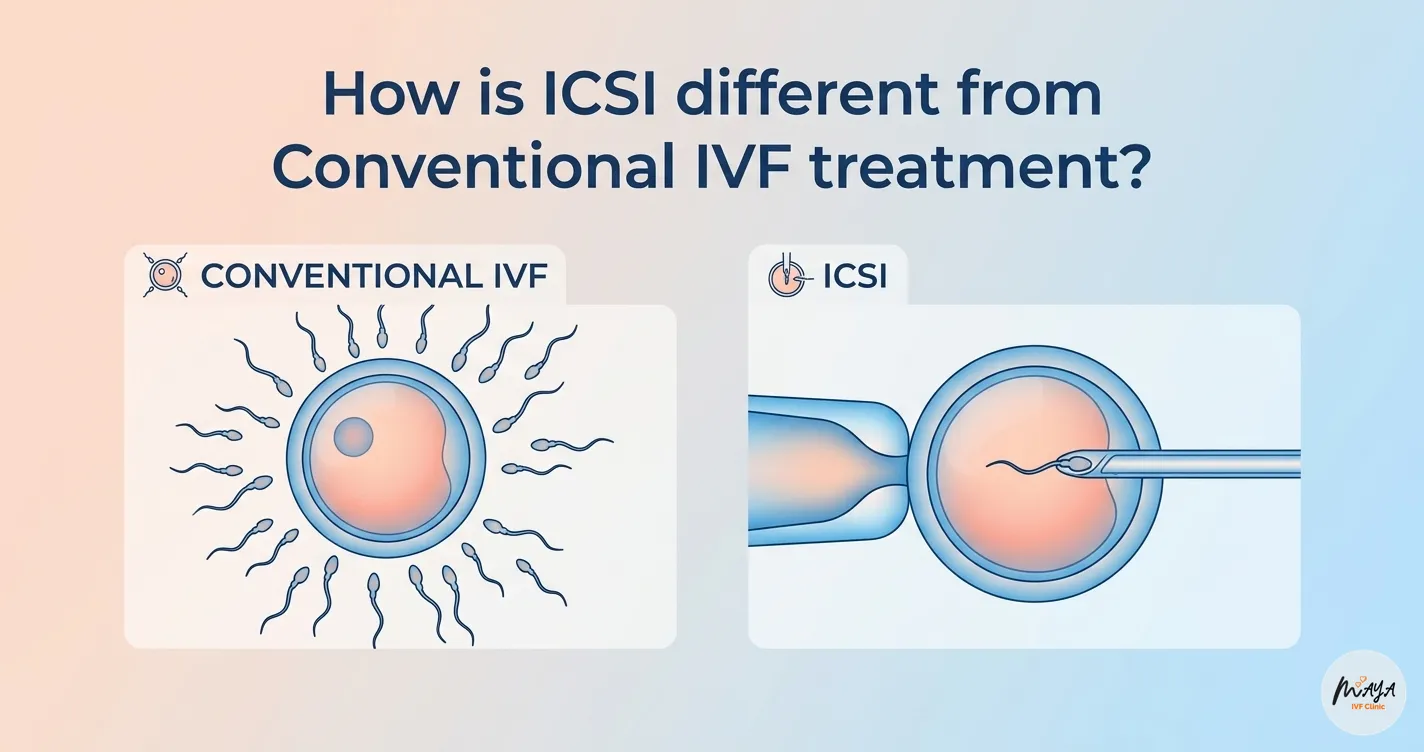
How Is ICSI Different From Conventional IVF Treatm...
OverviewConventional IVF places sperm and eggs together in a dish and allows fertilization to happen...
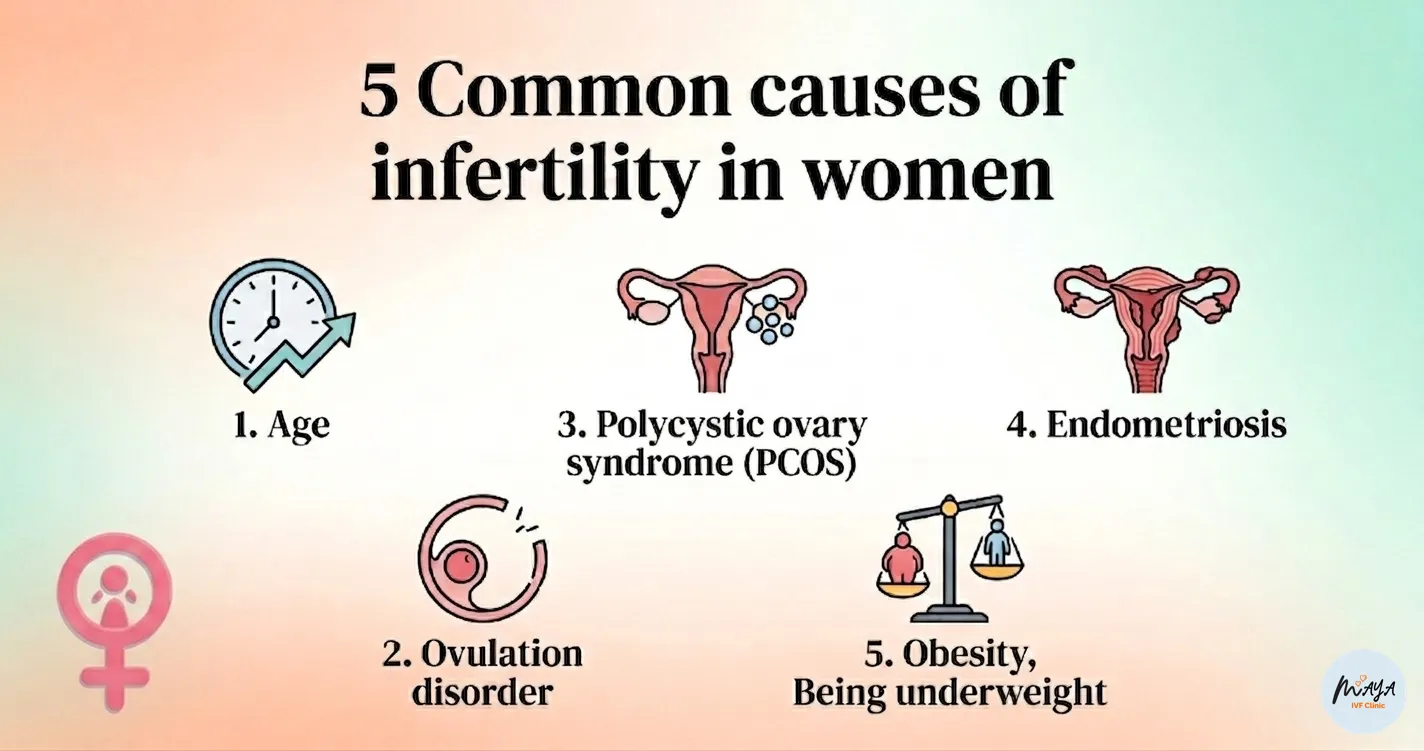
5 Common Causes of Infertility in Women
OverviewWhen months pass without a positive pregnancy test, worry tends to creep in quietly. If that...
 Nepal International Fertility and Laparoscopic Centre (NIFLC).
All rights reserved.